Menu
Services
Emergency plumbingDrain cleaningSewer line repairWater heater repairWater line repairLeak detectionAll plumbing servicesService areas
West Chester boroughWest Chester University areaWest Goshen TownshipEast and West BradfordWesttown and ThornburyBirmingham and Chadds FordExtonDowningtownMalvernKennett SquareCoatesvilleHomeowner guides
Sewer or septic?West Chester waterFreeze, flood, and rootsSeasonal plumbing calendarBuying or selling a homeHow to choose a plumberHow we priceFrequently asked questionsBlog
All articlesStudent Rental Plumbing Checklist for West Chester LandlordsAre Flushable Wipes Safe for Sewer and Septic in West Chester?How to Find, Test, and Replace Your Main Water Shutoff ValvePrivate Well Water Testing in Chester County: What to Test and WhenHoliday Plumbing Guide for West Chester HostsHow to find hidden water leaks in your West Chester home
The average household wastes thousands of gallons a year to leaks, and many of them are invisible. Here are simple checks you can do in a few minutes.
Key takeaway: Do a toilet dye test, check faucets and fixtures for drips, and watch for stains, damp spots and a rising water bill. Leaks you cannot see or stop yourself need a plumber.
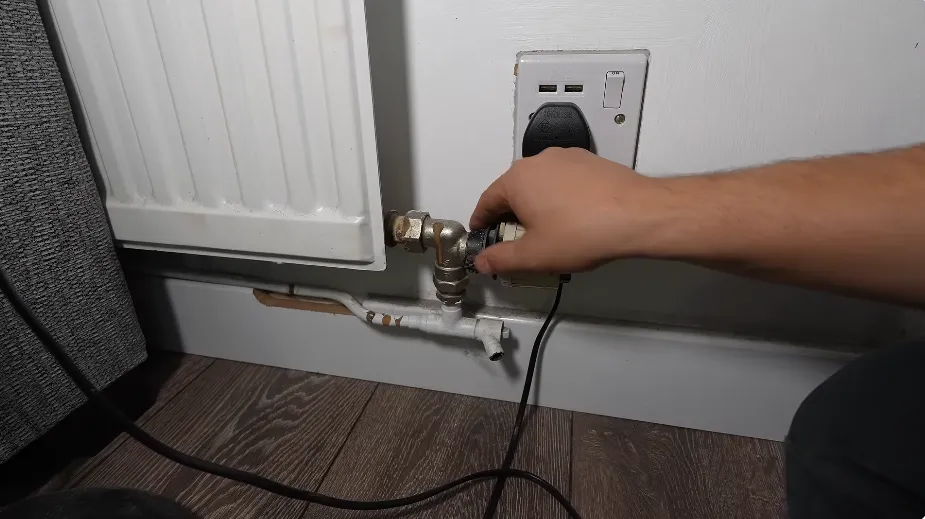
Leaks are easy to ignore because most of them are small. Added up, they are not. According to the U.S. EPA’s WaterSense program, household leaks can waste more than 9,300 gallons of water a year in an average home, and nearly 1 trillion gallons a year nationwide.
The EPA also reports that 9% of homes have leaks that waste 50 gallons or more every day. In older West Chester houses, with decades-old fixtures and pipes inside plaster walls, a slow leak can go unnoticed for a long time.
Check 1: the toilet dye test
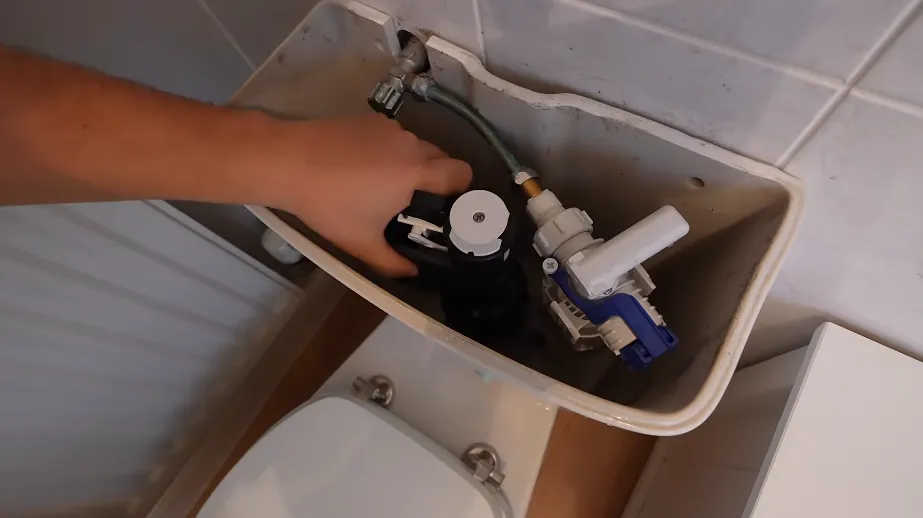
Toilets can leak without you noticing. The EPA explains that a worn flapper can leak thousands of gallons a year without making a sound. To test:
- Add a few drops of food coloring to the toilet tank.
- Wait 10 minutes without flushing.
- If color shows up in the bowl, the tank is leaking.
- Flush right away so the dye does not stain the tank.
Check 2: faucets and showerheads
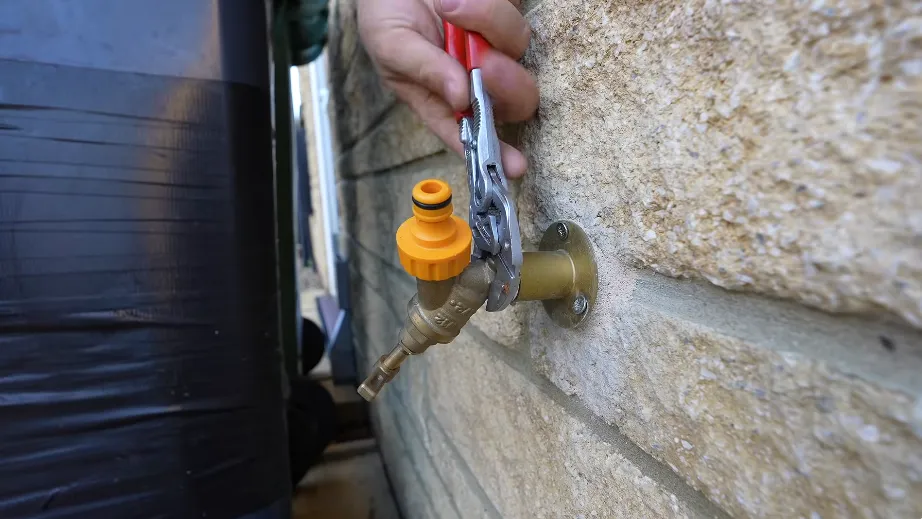
A drip seems harmless, but the EPA says a faucet dripping about once per second can waste more than 3,000 gallons a year. Check every faucet, showerhead and tub spout, including the ones in rooms you rarely use. Look at the outdoor spigots too.
Check 3: look for the signs of leaks you cannot see
- Brown or yellow stains on ceilings, especially under bathrooms
- Paint that bubbles or peels, or drywall that feels soft
- Warped flooring or loose tiles near tubs and toilets
- A musty smell in a closet or cabinet
- Damp spots in the basement along the water line
- A water bill that rises when your usage has not changed
- The sound of running water when everything is off
Check 4: under sinks and around appliances
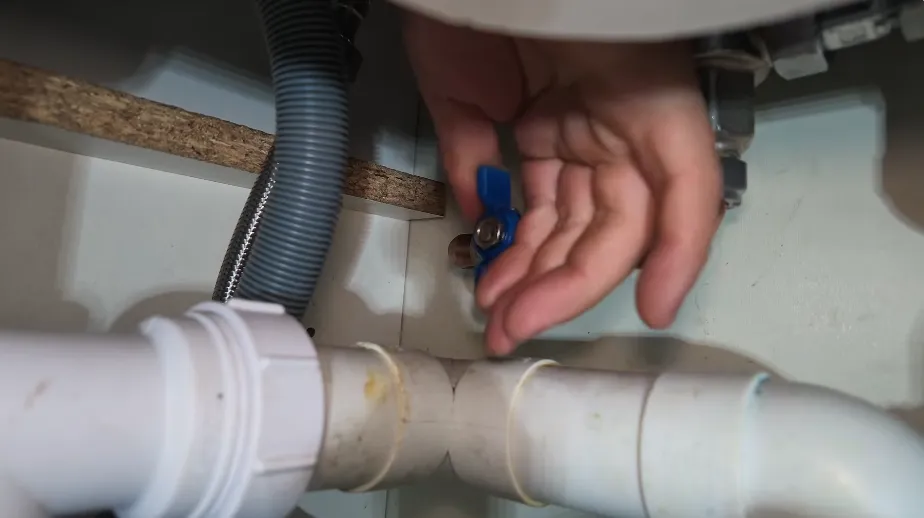
Open the cabinets under every sink and feel the supply lines and drain pipes for moisture. Check behind the washing machine, the dishwasher and the refrigerator ice-maker line. Supply hoses wear out, and a failed hose can release a lot of water quickly.
When it is time to call a plumber
A dripping faucet or a worn flapper is a simple fix. Call a plumber when:
- You see stains or damp spots but cannot find the source.
- Your bill is rising and the dye test and fixture checks come up clean.
- You hear water running inside a wall or under the floor.
- There is a wet spot in the yard along the path of your water line.
Our leak detection service can help locate leaks behind walls and under floors. If the leak is in the line between the street and your house, see water line repair.
If water is pouring in
Do not wait. Close your main water shutoff valve first, then call. If you are not sure where it is, read our main shutoff valve guide today, before you need it.

Harry
Harry writes and reviews the homeowner guides on West Chester PA Plumber. He holds an MBA from Harvard University and focuses on explaining plumbing problems, costs and next steps in plain language, so West Chester homeowners know what to ask before they hire a contractor.
More about HarryWater leak questions
How much water does a household leak waste?
The EPA’s WaterSense program says household leaks can waste more than 9,300 gallons a year in an average home, and a faucet dripping once per second can waste more than 3,000 gallons a year.
How do I check if my toilet is leaking?
Add a few drops of food coloring to the tank and wait 10 minutes without flushing. Color in the bowl means a leak. Flush afterward so the tank does not stain.
When should I call a plumber for a leak?
Call when you see stains or damp spots with no clear source, hear water running inside walls, or your bill rises with no change in use. Call (610) 788-0057.