Menu
Services
Emergency plumbingDrain cleaningSewer line repairWater heater repairWater line repairLeak detectionAll plumbing servicesService areas
West Chester boroughWest Chester University areaWest Goshen TownshipEast and West BradfordWesttown and ThornburyBirmingham and Chadds FordExtonDowningtownMalvernKennett SquareCoatesvilleHomeowner guides
Sewer or septic?West Chester waterFreeze, flood, and rootsSeasonal plumbing calendarBuying or selling a homeHow to choose a plumberHow we priceFrequently asked questionsBlog
All articlesStudent Rental Plumbing Checklist for West Chester LandlordsAre Flushable Wipes Safe for Sewer and Septic in West Chester?How to Find, Test, and Replace Your Main Water Shutoff ValvePrivate Well Water Testing in Chester County: What to Test and WhenHoliday Plumbing Guide for West Chester HostsDripping Faucet: Repair or Replace? A Guide for West Chester Homeowners
A slow drip seems harmless, but it adds up. Here is how to decide between a quick repair and a new faucet.
Key takeaway: Most drips come from a worn washer, O-ring or cartridge and are inexpensive to repair. Replace the faucet if it is badly corroded, has needed repeated repairs or leaks from the body.
One drip per second sounds minor, but the EPA’s Fix a Leak Week guidance says a faucet that drips at that rate can waste more than 3,000 gallons a year, enough water for more than 180 showers. A dripping faucet is also a sign of a worn part that will not fix itself.
Why faucets drip
- Worn washer or seat. Compression faucets with separate hot and cold handles use rubber washers that harden and wear.
- Damaged O-ring or cartridge. Single-handle faucets rely on a cartridge or O-rings that can wear or crack.
- Mineral buildup. Scale can keep a valve from sealing. Our guide to hard water signs explains how minerals affect fixtures.
- High water pressure. Pressure that is too high can wear parts faster.
When a repair makes sense
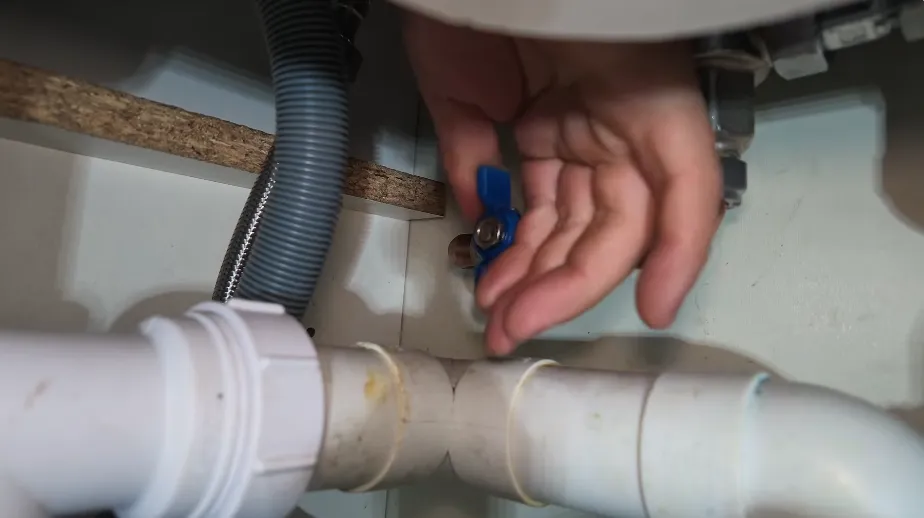
A repair is usually the right move when the faucet is in good condition and the drip comes from the spout or handle base. Replacement parts for common faucets are widely available, and the work is often quick. Turn off the shutoff valve under the sink first, and keep track of small parts so you can match them at the hardware store.
When to replace the faucet
- The finish is peeling, pitted or heavily corroded.
- The faucet leaks from the body or base, not the spout.
- Parts are discontinued or you have repaired it more than once.
- You want lower water use. The EPA says WaterSense labeled products are certified to use at least 20% less water and perform as well as or better than standard models.
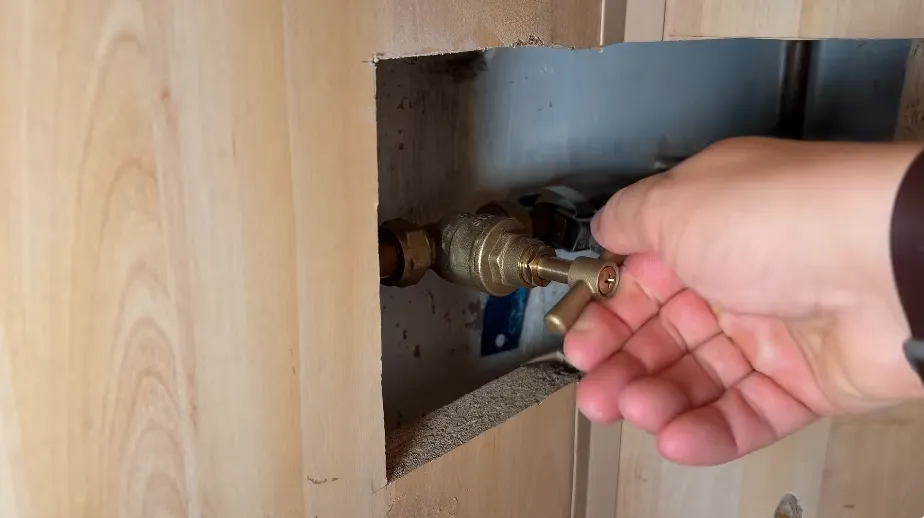
What if the shutoff valve will not turn?
Old shutoff valves can seize or leak when you try to close them. Do not force them. A plumber can replace the valve, and our leak detection page explains what to do if you suspect a leak behind a wall or under a cabinet. If you cannot find the cause of a drip, call a licensed plumber rather than risking a larger leak.

Harry
Harry writes and reviews the homeowner guides on West Chester PA Plumber. He holds an MBA from Harvard University and focuses on explaining plumbing problems, costs and next steps in plain language, so West Chester homeowners know what to ask before they hire a contractor.
More about HarryCommon questions
How much water does a dripping faucet waste?
The EPA says a faucet dripping once per second can waste more than 3,000 gallons a year.
Why is my faucet dripping when it is turned off?
A worn washer, O-ring or cartridge usually fails to seal. Scale buildup can also keep the valve from closing fully.
Is it cheaper to repair or replace a leaking faucet?
Repairing a worn part is usually cheaper. Replacement makes sense when the faucet is corroded, leaks from the body or has failed repeatedly.
Should I call a plumber for a dripping faucet?
Call one if the shutoff valve will not close, you cannot identify the part, or the leak is from the base or supply lines.