Menu
Services
Emergency plumbingDrain cleaningSewer line repairWater heater repairWater line repairLeak detectionAll plumbing servicesService areas
West Chester boroughWest Chester University areaWest Goshen TownshipEast and West BradfordWesttown and ThornburyBirmingham and Chadds FordExtonDowningtownMalvernKennett SquareCoatesvilleHomeowner guides
Sewer or septic?West Chester waterFreeze, flood, and rootsSeasonal plumbing calendarBuying or selling a homeHow to choose a plumberHow we priceFrequently asked questionsBlog
All articlesStudent Rental Plumbing Checklist for West Chester LandlordsAre Flushable Wipes Safe for Sewer and Septic in West Chester?How to Find, Test, and Replace Your Main Water Shutoff ValvePrivate Well Water Testing in Chester County: What to Test and WhenHoliday Plumbing Guide for West Chester HostsSewer Smell in Your House? Common Causes and Fixes for West Chester Homes
A sewer smell is often a simple dry drain trap, but it can also point to a vent or sewer line problem. Here is how to sort out which.
Key takeaway: The most common cause of a sewer smell is a dry P-trap in a drain that is rarely used. Run water in every drain first. If the smell stays, a vent, toilet seal or sewer line may be the cause.
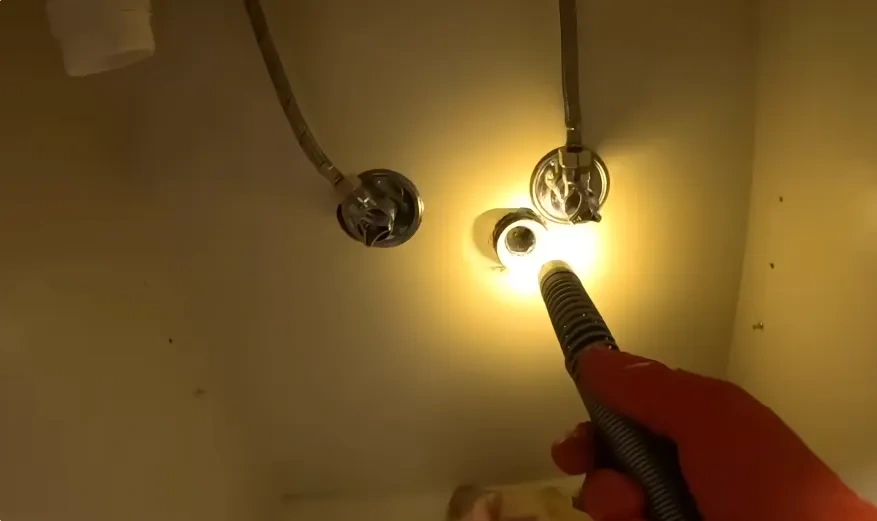
That rotten-egg or sewage odor usually has a plumbing cause, and it is often a simple one. The curved pipe under each sink, tub and floor drain is called a P-trap, and it holds water that blocks sewer gases from entering the house. As one utility district explainer puts it, when a drain is not used often the water can evaporate and the gases can escape into indoor spaces.
Safety first: natural gas also smells like rotten eggs. If you think you smell gas, leave the house and call 911 or your gas utility from outside. Do not look for the source indoors.
Check the easy cause first
Dry traps are most common in guest bathrooms, basement and garage floor drains, laundry room drains and utility sinks. The NDSU Extension suggests pouring about a quart of water down infrequently used drains every three to four weeks. Run water in every fixture, including floor drains, and see whether the smell fades within a few hours.
Other common causes
- Blocked or damaged vent pipes. Plumbing vents carry gases up through the roof. A blockage can cause gurgling drains along with odors.
- A failing toilet seal. A worn wax ring can let gas escape around the base of the toilet.
- Cracked drain pipes. Older cast iron lines can crack or corrode. See our guide to cast iron drain pipes in West Chester.
- A main sewer line problem. A blockage or break can cause odors, slow drains and backups in several fixtures at once.
When to call a plumber
Call if the smell returns after you refill the traps, if several drains gurgle or back up, or if the odor is strongest near a wall, toilet base or the lowest level of the house. A plumber can inspect vents and drain lines and may use a camera or smoke test to find the source. Our drain cleaning and sewer line repair pages explain those services. If anyone feels dizzy, nauseous or gets headaches, get fresh air and have the home checked promptly.

Harry
Harry writes and reviews the homeowner guides on West Chester PA Plumber. He holds an MBA from Harvard University and focuses on explaining plumbing problems, costs and next steps in plain language, so West Chester homeowners know what to ask before they hire a contractor.
More about HarryCommon questions
Why does my basement smell like sewage?
Basement floor drains are often unused and their traps dry out. Pour water into the drain and see if the smell fades. If it returns, a vent, cracked pipe or sewer line may be involved.
How do I fix a dry P-trap?
Run water in the drain for a minute or two to refill the trap. For rarely used drains, repeat every few weeks. Extension guidance suggests about a quart of water every three to four weeks.
Is sewer gas dangerous?
It can cause headaches, dizziness and nausea, and it is unpleasant. If anyone feels unwell, ventilate the home and get it checked. If you are not sure it is sewer gas rather than natural gas, leave and call 911 or your gas utility.
Could the smell come from my main sewer line?
Yes. A blocked or damaged sewer line can cause odors along with slow drains or backups in several fixtures. A plumber can camera-inspect the line to confirm.